
Short Intro
Injection molds are key equipment in the production of daily-use plastic products, and the selection of mold steel directly determines the mold’s service life, production efficiency, product precision, and overall cost.
Everyday plastic products are diverse, with significant differences in materials, appearance, output, and usage scenarios, resulting in varying performance requirements for mold steel. This article will analyze suitable injection mold steels based on the production characteristics of various daily products, providing a reference for readers.
High-volume ordinary daily necessities
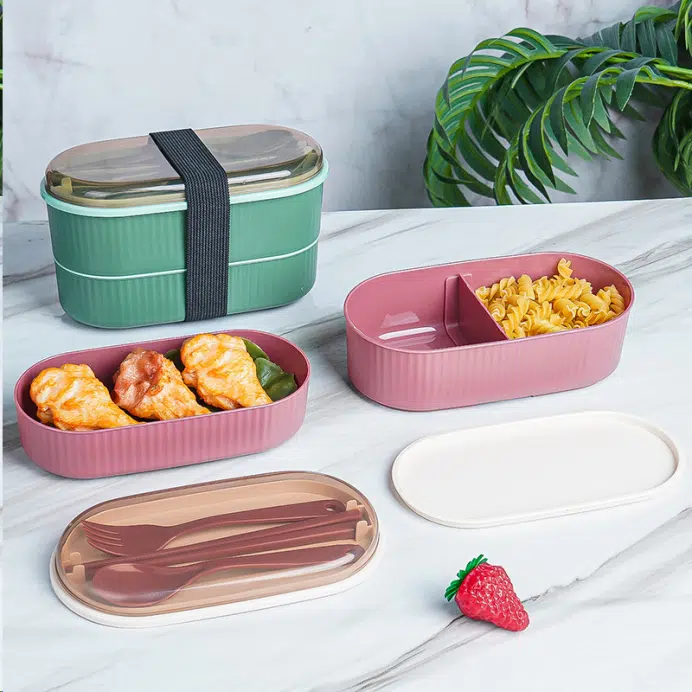
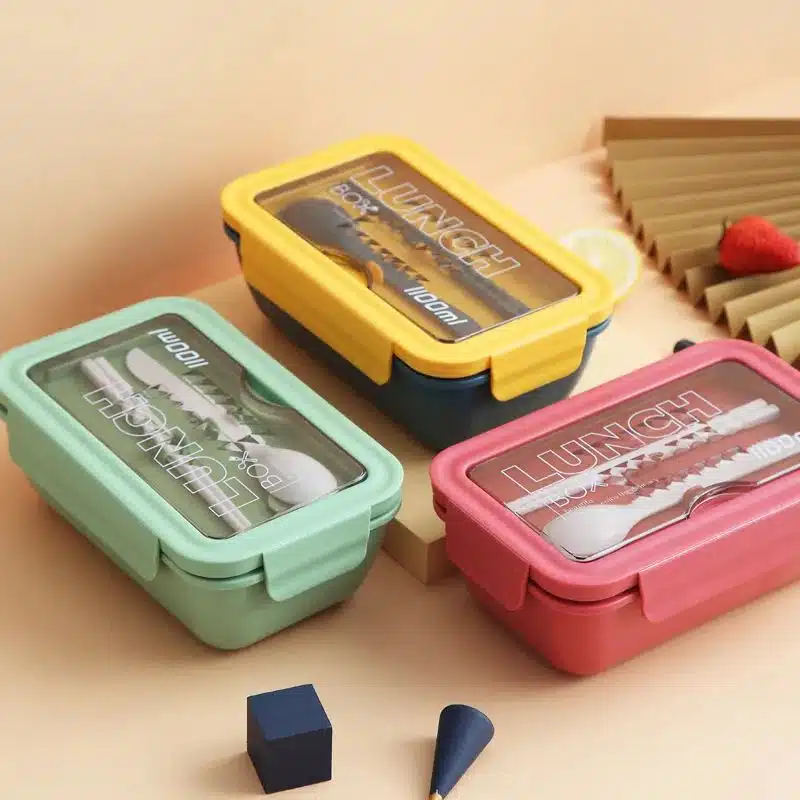
These products mainly include disposable plastic cups, lunch boxes, clothes hangers, storage boxes, plastic basins, etc., and are characterized by large production volume, general appearance requirements, and materials mostly made of general-purpose plastics such as PP (polypropylene) and PE (polyethylene).
During the production process, the mold needs to withstand high-frequency opening and closing and injection pressure, which requires high wear resistance and fatigue resistance of the steel. At the same time, it is necessary to control the mold manufacturing cost to ensure the economy of mass production.
1, Low-end selection: S50C, 45# carbon structural steel
S50C and 45# steel are medium carbon quenched and tempered steels, commonly used materials for molds of everyday consumer goods.
Its advantages lie in its low cost and excellent processing performance. After tempering, its hardness can reach 28-32HRC, and it has basic wear resistance and strength, which can meet the production needs of low-precision, low-volume products such as disposable tableware and simple clothes hangers.
The lifespan of molds made of this type of steel is typically less than 100,000 cycles, making them suitable for small to medium batch production or entry-level mold manufacturing.
2, Standard Selection: P20, 718H pre-hardened plastic mold steel
For everyday consumer goods with high production volume (100,000-300,000 mold cycles) and certain requirements for mold precision, such as high-quality storage boxes and plastic buckets, P20 pre-hardened steel is recommended.
P20 steel is pre-hardened to 28-35HRC at the factory, requiring no further heat treatment and can be directly machined, effectively shortening the mold manufacturing cycle.
Its mechanical properties are balanced, with good wear resistance, toughness and polishing performance. It can cope with high-frequency injection molding of plastics such as PP and PE, while ensuring the basic smoothness of the product surface.
Daily necessities with high appearance requirements
These products include cosmetic packaging (such as lipstick tubes and perfume bottle caps), food packaging (such as beverage bottle preforms and yogurt cup lids), and plastic accessories for home appliances (such as washing machine panels and air conditioner casings) . They are characterized by high appearance requirements (requiring a mirror-like finish and no flaws), materials that may contain corrosive components, and some products also need to be heat-resistant to adapt to high-temperature sterilization and other scenarios.
Therefore, mold steel must possess excellent polishing properties, corrosion resistance, and a certain degree of hardness.
1, Standard steel: 4Cr13 martensitic stainless steel
4Cr13 stainless steel is a corrosion-resistant plastic mold steel with a high chromium content, which gives it good rust prevention and corrosion resistance, and can withstand the erosion of molds by cosmetic solvents and food acid and alkali substances.
After heat treatment, the hardness can reach 45-52HRC, with good wear resistance and certain polishing properties. It can achieve a surface finish of Ra0.2-0.4μm, meeting the needs of ordinary high-appearance products, such as yogurt cup lids and ordinary cosmetic bottles.
The molds made of this type of steel typically have a service life of 500,000 to 1,000,000 cycles, and the cost is moderate, making it one of the mainstream choices for high-quality daily necessities molds.
2, High-end selection: S136, H13 stainless steel/hot work die steel
For high-end daily necessities requiring a mirror finish, high corrosion resistance, and high production volume, such as high-end cosmetic packaging and food-grade beverage preforms, S136 stainless steel is recommended.
S136 steel is an ultra-pure martensitic stainless steel with a chromium content of 13.5-14.5%. Through a special smelting process, the impurity content is reduced, giving it excellent polishing performance, achieving a mirror-like finish. It also has excellent corrosion resistance, able to withstand the erosion of various chemical media.
After heat treatment, the hardness can reach 50-55HRC, combining wear resistance and toughness. The mold service life can exceed 1 million cycles, making it suitable for the production of large-volume, high-quality products.
If the product requires high-temperature injection molding, H13 hot work die steel can be selected.
H13 steel possesses excellent high-temperature strength, thermal fatigue resistance, and wear resistance. After heat treatment, its hardness can reach 48-54 HRC, enabling it to work stably for a long time in high-temperature environments and effectively preventing mold deformation or wear from affecting product precision.
Meanwhile, H13 steel has good polishing properties, which can meet the appearance requirements of high-temperature injection molded products such as preforms.
Thin-walled/high-precision daily necessities
These products include disposable syringes, plastic gears, precision connectors, thin-walled food packaging boxes, etc. They are characterized by thin walls, high dimensional accuracy requirements, and the need to withstand large injection pressure during the injection molding process, which places extremely high demands on the toughness, dimensional stability, and processing accuracy of the mold steel.
If the steel is not tough enough, the mold is prone to cracking; if the dimensional stability is poor, it will lead to product precision deviation and affect the performance.
1, Standard steel: 718H pre-hardened plastic mold steel
718H steel is an upgraded version of P20 steel, belonging to pre-hardened plastic mold steel, with a factory hardness of 32-38 HRC. It is purer in material, with lower impurity content, and possesses excellent toughness and dimensional stability. After precision machining, it can ensure the high precision requirements of molds, making it suitable for the production of thin-walled food packaging boxes, general precision connectors, and other products.
718H steel has better polishing performance than P20 steel, achieving a surface finish of Ra0.1-0.2μm. It also exhibits good wear resistance, allowing for a mold lifespan of up to 500,000 cycles. Furthermore, 718H steel has excellent weldability and machinability, facilitating precision machining and subsequent repair of molds.
2, High-end selection: STAVAX ESR (S136 ESR)
For ultra-thin-walled (wall thickness ≤ 0.5mm) and ultra-high-precision daily necessities, such as disposable syringes and precision plastic gears, STAVAX ESR (the electroslag remelting version of S136) is recommended.
STAVAX ESR steel further improves the uniformity and purity of the material through electroslag remelting, reduces internal defects, and has superior toughness, dimensional stability and polishing performance, achieving a mirror-like polishing effect.
It also has excellent corrosion resistance and wear resistance, and can withstand high-frequency production under ultra-high injection pressure, with a mold life of more than 2 million cycles.
In addition, the selection of mold steel also needs to take into account the mold processing technology, heat treatment level and subsequent maintenance costs.
Final Thought From Diamondmold
It is recommended to conduct a collaborative evaluation with the mold manufacturing plant during the mold design stage to ensure that the selected steel can not only meet the product production requirements, but also achieve the optimal overall cost of mold manufacturing and use.
