
Intro
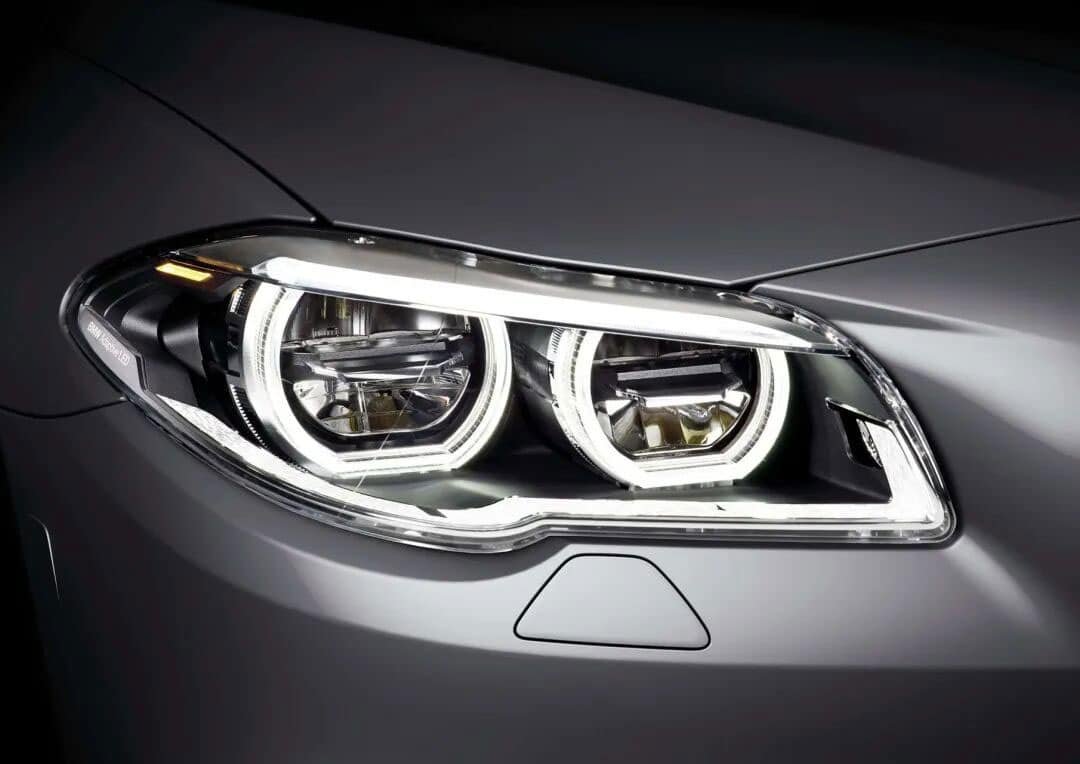
The quality of automotive lighting is crucial to driving safety, hence the stringent regulations governing it in countries worldwide. Lighting design must not only meet regulatory safety requirements but also satisfy other criteria, such as seamless integration with the overall vehicle design, aesthetic appeal, practicality, aerodynamics, and comfort and convenience for the driver and passengers. Consequently, automotive lighting design technology is constantly evolving alongside the automotive industry.
Material and manufacturing characteristics of car lights
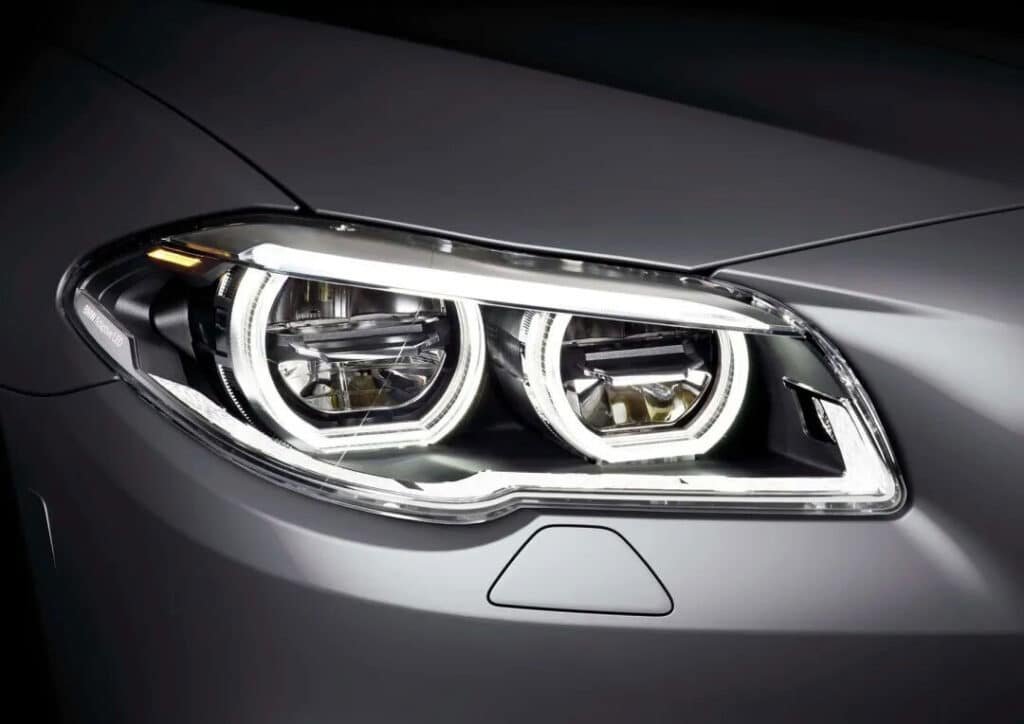
Automotive headlights generally consist of a base and a housing. The base is typically made of thermosetting material—BMC (bulk molding compound), while the housing can be made of materials such as PMMA, PP, and ABS, and is usually two-color or three-color. In the production process of two-color automotive headlights, special attention should be paid to the injection section of the two-color injection molding machine; the center distance between the two screws should correspond to the center distance of the two-color mold.
In addition, the following important points require further attention:
Factors affecting the stable forming of vehicle headlights
Control unit response: excessively long switching point, noise interference, unstable command output, unstable temperature;
Noise in hydraulic systems: unstable pressure, valve positioning instability, hysteresis, and variations in oil pipe damping;
Differences in mechanical systems: internal leakage of oil seals, damping, friction differences, screw check valve positioning, and check valve effectiveness;
Uneven plasticization: Differences in plasticizing properties;
Mold temperature control.
Common Design Issues in the Assembly of Plastic Tubes for Vehicle Lights and Taillights
The screw is running idle without feeding material;
The screw cannot rotate if the required torque is too high.
The plastic did not completely melt;
Screw metering is unstable;
Uneven mixing of plastics;
Low-temperature molded plastics are prone to temperature rise;
The molded part contains air bubbles;
Molded products are prone to blackening and yellowing inside;
The screw is prone to corrosion and wear, resulting in a short service life.
Key Design Considerations for the Screw Feed Tube Assembly
The plasticizing screw assembly is the heart of the injection molding machine, responsible for conveying, melting, mixing, and metering plastic raw materials. Therefore, the quality of the molded product is closely related to the plasticizing screw.
The main purpose of improving the plasticizing screw is to:
Improve shearing and mixing effect;
Uniform mixing;
Improve plasticizing ability;
Ensure uniform melt temperature.
Key Design Points for Taillight Dedicated Screw
L/D ratio: 21~23;
The surface roughness must be extremely smooth to avoid material accumulation;
Increase the thickness of the electroplated layer for better corrosion resistance;
Compression ratio: 2.3, feed section: approximately 50%, compression section: approximately 30%, metering section: approximately 20%.
